Wuxia and Magical Girl

Before I started this blog, I had never even heard of these two genres. But as I read about them, I realised that I had actually encountered some of it before. Maybe not so much in literature, but certainly in movies and animé.

Wuxia is a mostly eastern fantasy subgenre where a character or a few characters have martial arts skills that border on magical abilities and sometimes frolick merrily in it. I’m not sure I can really elaborate without repeating myself more than a few times, so, here are some examples: Naruto (manga and animé), The Forbidden Kingdom (a movie from a few years back) and Kung Fu Hustle (a spoofy movie from the East).

Magrical Girl, as far as I have been able to glean from scanty Internet sources, is an animé fantasy subgenre (fairly popular, I might add) that revolves around a female main character who has some sort of quest or ability that sets her apart from her mundane peers. She might dedicate her entire life to it or may even practice only after school hours. Examples include Elfen Lied and Sailor Moon. I honestly haven’t seen much of these…though I have for some reason encountered the reportedly less common “magical boy” shows – BleachKekkai Genkai and Evangelion.

Don’t take me as the authority on this, though. As I said, I’ve really only dipped my toes in these two subgenres. Check out Wikipedia and do a Google search to get a better feeling for this.
Dark Fantasy

Horror, romance, comedy, action...

Dark Fantasy is a well-established subgenre, though you might not recognise the name. It is seductive, thrilling and sometimes down right cheeeeeesy. What is it? Vampires, werewolves, zombies, witches, demons and all manner of  nasties hiding in the dark. But, it’s not just scary stories… It comes in the form of horror, action, comedy, romance and more.

Most recently, the world has been abuzz with Stephenie Meyer’s Twilight series. Half the fanbase is violently upset and revolted by her take on vampires and the other half (most of which has only recently discovered this genre) are rabidly fanatic about it.

The basics are (usually): The story is usually set in the present or (starts off) in recent history; the basics of history and reality as we know it sets the background; and vampires, werewolves and all the other things that go bump in the night are the flavour that draw in the readers (and viewers) of this subgenre.

Some authors seduce their readers with the grim (and sometimes rather watered down) aspects of a romantic relationship with a dark lover. Some authors prefer to stick to keeping these dark creatures the Threat. Some authors pick at all the possible flaws in the myths and legends surrounding these beasties to make us laugh at the sheer ridiculousness of it all.

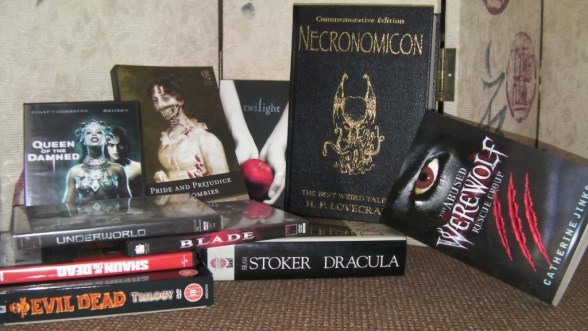
Examples you are likely to have encountered include: Anne Rice’s vampire and witch novels, inlcuding Interview with a Vampire, The Vampire Lestat and Queen of the Damned; Brahm Stoker’s DraculaDawn of the Dead (movie); H.P. Lovecraft’s Call of Cthulu and other novels….

Often, all the different nasties and beasties come together in the same stories…think  Underworld (movie); Buffy the Vampire Slayer; Vampire Diaries; TruBlood; this list really does go on and on…

Steam Punk

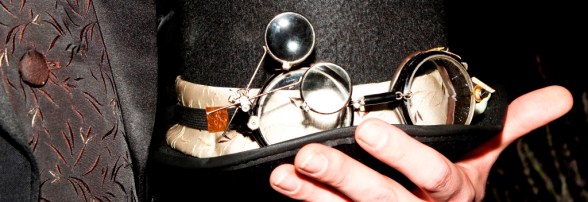
So, Steam Punk…I must admit that I have little exposure in this specific subgenre literature-wise. The general gist is: It is usually set in the Edwardian and/or Victorian eras or in a reality similar to that, but a few individuals in this setting possess technology is not quite historically…um, there. This technology is generally steam-based and is heavily associated with cogs and wheels and nuts and bolts. You can expect brassy finishes and mad scientists or loony inventors.

How can I so happily rant on about this without having read much on it? Well…there are a lot of movies and even some TV shows that feed you Steam Punk without you even noticing. In Wild Wild West, a movie featuring Will Smith and a few others, you encounter a giant mechanical spider that may have taken you by surprise. In Hellboy, there is the clockwork german assassin. In Warehouse 13, there is the inventor lady, HG Wells, with her freaky corset thinger and all kinds of other inventions… In the new Sherlock Holmes movies, you get a taste of the tech again. In an episode of Castle, there is a whole murder mystery revolving around a Steam Punk society (in modern times, of course).

In short, it’s a fantastic flavour that adds glam, whimsy and general awesome to an otherwise dull or normal background.

Mythic Fantasy

A lot of people confuse this subgenre with fairy tales. See, mythic fantasy uses characters and heroes and themes from myths and legends as a base for a fantasy story. Think of all the various Arthurian (King Arthur, Lancelot, Gwynevere, the Holy Grail) stories you’ve seen movies and series of, think of the comic books that borrow from Norse Mythology (Odin, Loki, Thor, Valkyries and the like). This subgenre is quite prolific. Back to the confusion between fairy tales and mythic fantasy – depending on how you look at it, the confusion is actually totally understandable. Some fairy tales (those with actual fairies and elves) use elements from Irish and European mythology.

One thing that originally set these stories apart was that mythic fantasy really targeted a teenage to adult audience (as opposed to children). Though, admittedly, the line is blurring more and more. Mythic fantasy also tends to be more on a more epic scale – you know, gods and kings making and breaking the world.

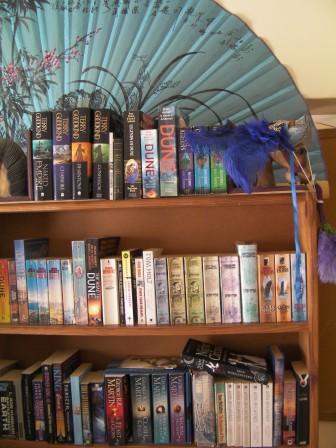
I’ve encountered a lot of mythic fantasy since I started reading. I don’t own all of them…and I think it’s because I read most of it when I was still borrowing books from the library rather than buying too many and just filling my shelves to their breaking point.

Examples include:

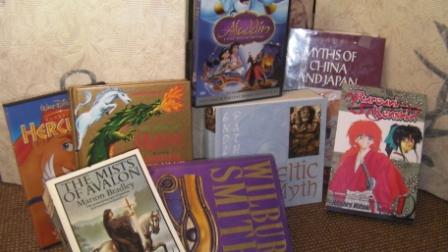
  • Wilbur Smith’s The Seventh Scroll, River God  and others (Egyptian mythology)
  • The Mists of Avalon by Marion Bradly (Arthurian legend)
  • The Forbidden Game by LJ Smith (Norse Mythology)
  • The TV shows like Hercules, Camelot, Merlin, Robin Hood and Spartacus
  • Movies like Arthur, First Knight, Robin Hood Prince of Thieves, The Mummy, Thor and many, many more

Fairy Tales

A fairy tale collection

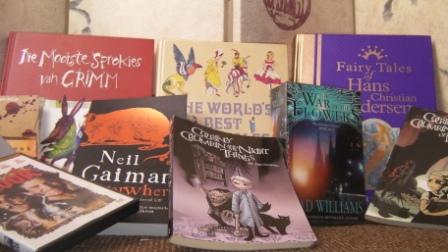
At last! A genre almost everybody knows! Fairy tales. Those that your parents and teachers probably read to you as a child. Hans Christian Anderson, The Brothers Grimm and a few others have brought us a vast array of stories that have seen many iterations and variations. Though these tales started off as far more grim (no pun originally intended) and sombre, the (usually) Disney versions we know today have formed our perception of the “fairy tale” to something far shinier and friendlier.

In the end, it really depends on you what you make of fairy tales and you are entitled to your opinion. Half my friends would skin me if I sold you the fluffy, happy version of fairy tales as the definition for fairy tales. Their argument is that the original fairy tales were cautionary tales to teach children about the not so shiny aspects of life. Little Red Riding Hood being about not talking to strangers (see, Little Red Riding Hood didn’t survive in the original story, the wolf did), The Little Mermaid being a tale about…heck, I have no idea…but in the original story she ends up not married to the prince, but floating on the surface of the sea as lifeless foam. You catch the gist?

Most people simply don’t like dealing with this kind of reality in a fairy tale, so they tend to side with the happy happy kiddies versions you get in stores and Disney movies these days. In fact, I believe people often actually say stuff like “life isn’t a fairy tale, you have to deal with the facts”. I think these people are really missing the original point.

You can tell which side I’m also on, can’t you? Lol Whoopsie.

Anyhow, modern versions of fairy tales can be found in a lot of Urban Fantasy stories, like The Dresden Files by Jim Butcher, The War of the Flowers by Tad Williams, Courtney Crumrin by Ted Naifeh and Neverwhere by Neil Gaiman. Of course, all of these focus a lot more on the…scary (or should I say “realistic”?) side of fairy tales in a much more “adult” way.

High, Low and Epic Fantasy

Some Examples

When someone says that they read fantasy, what they typically mean is that they read high, low and/or epic fantasy. These three have some common denominators (though the rules may be bent for some of the other subgenres): The story is set in something akin to mediaeval times or the dark ages, there is an element of magic involved, there is a main hero, heroin or band of heroes leading the storyline.

High Fantasy

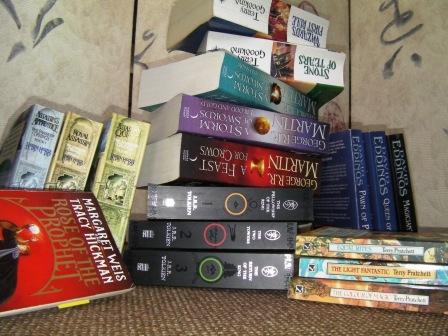
In a High Fantasy setting, you typically get a lot of magic and magical races. Think Lord of the Rings (JRR Tolkien), The Sword of Truth (Terry Goodkind) and the Diskworld books (Terry Pratchett). There are magical races everywhere and almost every second character is either of a magical race or possesses some kind of magical item or ability. Magic and magical races often even determine the culture and societal dynamics of the worlds the stories happen in. Dragons might be overlords or a slave race. Orcs may be a powerful ally in the subterranean reaches. Elves and men may have formed an alliance (when don’t they???).

Low Fantasy

In a Low Fantasy (or Hedge Fantasy) setting, magic and magical races are rare. These books often use the one magical being as the main character or have a magical object at the core of the plot…because the magic is so rare. These worlds are typically more ‘realistic’ and often based more closely on actual mediaeval day-to-day realities. Some Low Fantasy stories even follow the mundane lives of unimportant people (though they often have important roles in the bigger picture). The Farseer Trilogy (Robin Hobb) and A Song of Ice and Fire (George R Martin) are good examples.

Epic Fantasy

In an Epic Fantasy story, the level of existence is often upped to a new level. Your main character may be a demi-god or a similarly powerful creature. The story will revolve around a battle of the gods or kings and other great rulers shaping the very world and reality of others. Some examples are: The Lord of the Rings (JRR Tolkien), The Belgariad and The Malorean (David and Leigh Eddings) and The Rose of the Prophet  (Margaret Weis and Tracy Hickman). Naturally, Epic Fantasy and High Fantasy often get mushed together with great success.

***

Something that may be important to remember is: Each story is a unique blend of different subgenres. No subgenre stands purely alone. Only successful blends in subgenre ever make it big out there, though.

Fantasy in all its forms

Fantasy in all its forms

So, fantasy… It’s this neglected and mostly looked-down-upon genre that only a small group of geeks and weirdoes like, right? In fact, many shops don’t even allocate dedicated shelf space to it at all.

Well, let me tell you. It is not that small. Seriously. If you get right down to it, fantasy has an amazing spectrum of literature within its scope. Some of the classics – like Gulliver’s Travels – even fall under this overarching genre.

Fantasy is a broad term encompassing any work of fiction that has within its themes and elements anything that does not coincide with current reality as we know it. This means that even literature that contains speculation about the future is fantasy.

Yes, it certainly includes the mediaeval type fantasy with dragons and magic (e.g. The Lord of the Rings and games like Dungeons and Dragons). But you’re forgetting about the other big guns: Dark (or Supernatural) Fantasy – vampires, werewolves and other things that go bump in the night – like Dracula, Buffy the Vampire Slayer and Underworld, and Science Fiction, like Star Trek and Star Wars.

And then, there are the smaller guns…and what a range of them there is!

Essentially, you can break up fantasy into three subdivisions:

Past              Present                Future

Under “Past”, you get the forms of fantasy most people immediately think of when you say “fantasy”.

  • High Fantasy
    (magic and magical races are common)
  • Low (or Hedge) Fantasy
    (magic and magical races are very rare)
  • Epic Fantasy
    (kings and gods clash and potentially destroy the world)
  • Fairy Tales
    (those stories you are traditionally told as a kid)
  • Mythic Fantasy
    (typically Norse mythology is used as a flavour)
  • Steam Punk
    (all sorts of steam technology is used in the Edwardian and Victorian eras, typically also in the Wild West)
  • And some of the more obscure ones, like:
    • Dark
      (Medieval setting with witches, vampires, werewolves, evil fairies, demons and/or other nasties)
    • Wuxia
      (Maaagical martial arts)
    • Magical Girl
    • (An animé and manga – that is, Japanese animation and comic books, respectively – theme where the main character is a girl that has some sort of skill that sets her apart from others)
    • Bangsian Fantasy
      (Fantasy involving some sort of historical figure from actual history)

Under “Present”, you get (what I’d like to think of) the more hidden fantasies. These works of fiction, as my classification here suggests, is set in the present. It is also set on Earth as we all know it today.

  • Dark (or Supernatural) Fantasy
    (As above, in the “Past” section, it involves werewolves, vampires, demons, witches, evil fairies and other nasties)
  • Urban Fantasy (AKA Contemporary Fantasy/Indigenous Fantasy)
    (Typically this involves the hidden realm of the fairies or the existence of magic)
  • And once again some of the more obscure ones, like:
    • Fantastique
      (A French genre that often smushes science fiction, horror and fantasy into one)
    • Wuxia
      (same as in “Past”)
    • Magical Girl
      (same as in “Past”)
    • Bangsian Fantasy
      (same as in “Past”, except that sometimes the historical figure is actually placed into the present from their time in the past)

Under “Future”, you get the forms of fantasy most people prefer not to link to magic too much.

  • Science Fantasy
    (Here, the focus is not so much on the technology, but rather on the following aspects:)

    • Other Planet
      (The story takes place on another planet and may or may not include in-your-face technological advances)
    • Dying Earth
      (Humans and/or aliens have depleted Earth’s resources through exploitation or catastrophic wars and now live in a bleak and harsh future)
    • Science Fiction
      (Typically set in space, on a space ship or revolves around the fact that space travel is now a common day thing; it may also be Earthbound, but with significant and very in-your-face technological advances compared to present day)
    • Cyber Punk
      (Set in a future where people are slowly becoming one with technology – bionic organs/limbs and performance-enhancing stimulants have become the norm)

It is also rather important to note that many of these genres can be and are often mixed. In future posts, some of these sub-genres will be explored to give you a better idea of what each of them entails. 😀

Distractions

It is amazing how easy it is to get distracted from your life’s work. The Internet is littered with sites that are designed to make you spend hours on it. From webcomics to meme sites to just plain information sites, they all munch up your time and, before you know it, it’s a week later and you did absolutely nothing to make progress.

Then there are all kinds of other responsibilities that also get in the way, like laundry and cleaning the house. I mean, everybody has to wash the laundry sometime.

And, guess what, if you work from home in any form or fashion, many people think it’s a pretentious way of saying “I actually just lie around doing nothing all day and I really want you to invent things for me to do”. This means that you suddenly have all kinds of demands on your time that would never have been there if you were working in an office (away from home).

Don’t get me wrong, I know I have a choice in the matter. I really can just say no. But, it’s just so nice being wanted that it gets really hard to put my foot down. And who can say no to a free lunch?

Well, here I am. Last week was a total bust in the realm of “getting my novel a little further”. Time for re-commitment to my writing. Time to get serious!

Writing for an audience

A Gift of Love

When entering competitions, you always have to keep in mind: You are writing for an audience. Depending on the audience’s likes and dislikes, you may or may not hit the mark. Unless the competition you’re entering requires a specific genre, you are left with what you know about the judges.

For instance, I’m hoping to enter a competition hosted by Elle magazine this month. What do I know about Elle? It’s aimed at upscale ladies. It’s about fashion and make-up. The way I see it, the readers are people who care what other people think of them.

So, with that in mind, I can rule out science fiction and fantasy because of their strong association with “nerds” and other outcasts; even dark fantasy (your typical vampire/werewolf/witches fiction, like Ann Rice and Bram Stoker) won’t fly here; I can rule out western, action and horror because these are typically more masculine genres (and considered barbaric by the more refined ladies); and I can also definitely rule out war stories.

Next up, since this competition has a word limit of 1500 words, I have to stick to stories that won’t involve much explaining of the setting (once again, thoroughly ruling out fantasy and science fiction).

All of this boils down to me sitting with the most popular genres: romance, comedy and mystery (or, like my mother calls it, “whodunnits”). That might illuminate to you why the stories I have posted so far are of the non-fantasy, non-science fiction persuasion.

Now, if I were writing for a fantasy and science fiction competition, this whole consideration flips on its head. My readers expect to read about a world they know nothing about. They expect magic. They are enchanted by the differentness of the world they are reading about. The plot can actually be much simpler, because you have to give more information about the setting.

But, before I go off on a tangent about the differences in genres and approaches to them as a writer (I will definitely post about this at some point), let me get back to the reason for this preamble:

GOOD NEWS, EVERYONE!

I got the good news this morning that I got second place in a competition I entered last month. It appears that it was close and I almost won. Go check out A Gift of Love (the story by me – Natalie Myburgh) on the AllAboutWriting site.

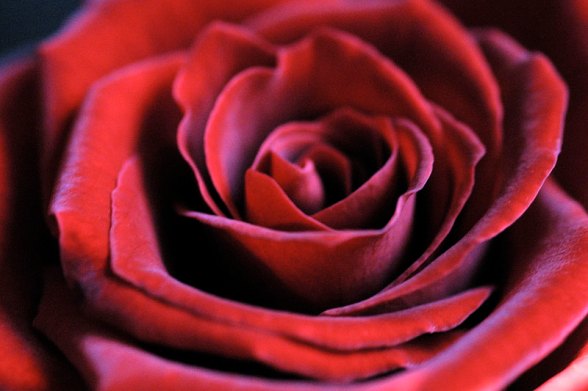
(In case this didn’t come across: The image of the rose is for my flash fiction entry linked above.)

A new chapter

You can’t make a living as a story writer. That’s what I’ve been told for as long as I expressed the desire to be one. Now, don’t get me wrong. The people who say that are right in most cases. And, who knows, maybe they’re right in my case as well. But I have to try.

If my blood sings when I read a book, watch a story or admire a painting, it roars when I create. Whether it is while sketching a character that has been pushing up in my mind, or obsessively forming the elegant curves of my handwriting, or tapping away at the keys on my keyboard, it makes me feel alive.

I’m sure you can see now why I have to try. Why it is absolutely imperative that I take a chance…on me. I have been offered this opportunity by, what I fondly think of as, the most accepting and loving life partner in existence. And I am taking it. He has shown me a world where I can.

So, here we go. Wish me luck and keep reading. 😀